
NEW MEMBERS SAVE 25% OFF – ENTER THE CODE MCCNEW25 AT CHECKOUT

How to Turn an Underused Home Garage Into Secure Business Space

Written byLauren De Moet

If you run your business from home, the most useful room you own might be the one you barely think about. Merton has around 4,000 home-based businesses, from consultants and online sellers to makers and tradespeople. Plenty of them are quietly paying for storage units, hot desks or workshop space while a perfectly good garage sits at home full of boxes, an old exercise bike, and a car that lives on the drive anyway. That garage can potentially take real cost out of your overheads and give you room to grow. 

The space you’re already paying for

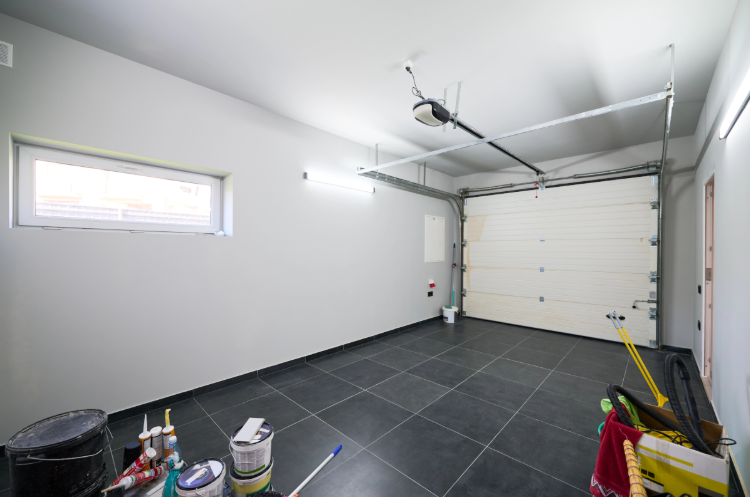
A garage is square footage you’ve already bought. For a home business it can do one of two jobs, and often both: secure storage for stock, tools, equipment and deliveries, or a separate space to actually get work done, away from the kitchen table. That second option matters more than people expect, because where you work affects how well you work, and how your surroundings shape day-to-day productivity is easy to underestimate when your office doubles as the family dining room.

A garage gives you a door you can shut and a clear line between home life and work. The trouble is that a standard garage is cold, often damp, and secured by a door that was never designed with your livelihood in mind.

Viewing your garage as business space

Once you start storing stock or working from a garage area regularly, a few practical things change. It’s worth understanding what running a business from home involves on the admin side, from telling your mortgage provider or landlord, to checking whether business rates apply when part of your home becomes dedicated business space. 

One important point, standard home insurance frequently won’t cover business stock, equipment or computers kept at the property. So, the laptop, tools and stock in your garage might not be protected at all. That’s worth sorting early, because a garage only earns its place if what’s inside it is genuinely safe.

Make the space genuinely secure

Here’s where most home setups fall short. A lightweight up-and-over door with a single central lock is an easy target, and opportunists know garages are where people keep tools, bikes and, more often than not, business stock waiting to be shipped. Real security comes from solid construction, several locking points, and a door with no external handle or exposed mechanism that can be levered open.

This is exactly where an automated or electric door pulls ahead of a manual one, since there’s nothing on the outside to pick or lever and it can only be worked by its own remote system. Wessex Garage Doors’ guide to the security benefits of automated garage doors is worth a read before you decide. Of everything in the garage, the door is the part it doesn’t pay to cut corners on, and the details that count, like the locking mechanism and how snugly it sits in the frame, aren’t always the obvious ones.

Create somewhere you want to work

A garage that’s freezing in winter and thick with condensation is no place to work. Damp is no friend to stock or electronics either. An insulated door makes a real difference to how usable the space is across the year, and it keeps heating costs down if you’re spending proper time out there. A little ventilation or a dehumidifier is worth budgeting for as well if you’ll be storing goods that damp could spoil. It’s also worth sorting power, lighting and broadband before you move a desk in.

If you want to go further and turn the garage into a finished room, check whether a garage conversion needs planning permission before you commit. Most internal conversions fall under permitted development, but building regulations still apply to insulation, ventilation, fire safety and more, and it’s far cheaper to build that in from the start than to correct it afterwards.

Consider the key points of an upgrade

Before securing your garage as business space, run through a simple checklist:
 

  • Decide on the purpose: Be clear on whether you will use it for storage, workspace or both, as this shapes everything from insulation to layout.
  • Check your cover: Ask your insurer whether business items in the garage are protected, and what security they expect to see.
  • Look at the door honestly: If it’s a single-lock up-and-over, that’s your weak point, so deal with it first.
  • Plan for damp and warmth: Insulation protects you and your stock in equal measure.
  • Confirm the rules: A quick check on permissions and business rates now saves a headache later.

A garage won’t suit every business, but for many of Merton’s home-based owners it’s the cheapest space they’ll ever add. Once secure and comfortable, it stops being a dumping ground and starts pulling its weight.

Merton Chamber of Commerce connects local businesses through events, networking and support. If you’re not yet a member, you can find out about joining and get involved with the local business community. I’m Chloe Miller, a Merton Chamber member and a freelance writer. If you have a topic to share with fellow members, feel free to get in touch to discuss how to sharpen your content and connect with local businesses.

[Image source: Depositphotos]

Search